
Everyone grows up with food rules. But some of them aren’t doing us any favours. Do you need to challenge any of your food rules?
“You can’t give him ice cream in the morning!” He shot me an incredulous look.
“Why not?” I replied with a shrug of my shoulders. I kept my cool on the outside but my insides were already starting to heat up. Here we go again, I thought to myself. Another ridiculous food rule.
“Because ice cream is something you have for a treat after dinner.”
Way to prove me right. It was even more ridiculous than I had anticipated. “Ah. So ice cream is only to be given as a reward for eating dinner, and not at any other time, is that it?”
“Exactly!”
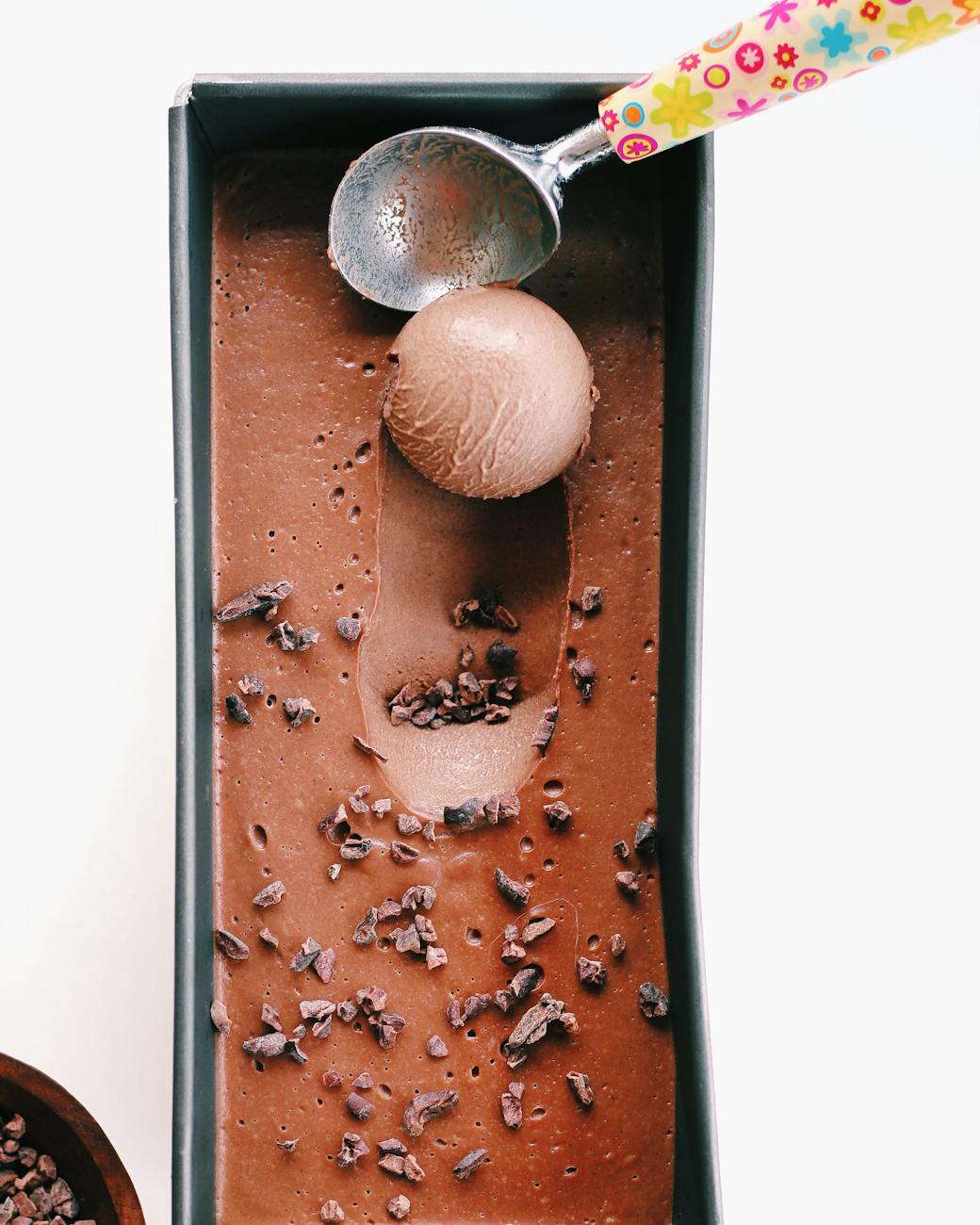
I took the tub of ice cream out of the freezer and put a large scoop into a cone.
We all grow up with food rules. Sometimes the rules vaguely make sense, but most don’t stand up under any scrutiny at all.
Take the ice cream reward for cleaning your plate as an example. This promotes that we ignore our body’s natural fullness signals and force ourselves to overeat. If this continues, over time we can forget what it even feels like to be hungry or full. I’ve lost count of the number of clients who tell me they don’t know what being hungry or full means for them. They are disconnected from their body.
It also instills a sense of morality around food. Food is no longer just food. We are bad if we don’t finish dinner. We don’t deserve any dessert.
And of course it splits food into good and bad groups. We all know that some foods are better for our physical health than others, that’s just fact. But food rules like this take that one step further. The food isn’t just good or bad, you become good or bad depending on your food choices.
Most food rules like this are deeply rooted in diet mentality. They usually promote external rules and restrictions, instead of natural internal cues and intuitive eating.
They need to be challenged.
I’m a huge believer of being your own first client. Before you ask a client to challenge their food rules, challenge your own. Did you grow up having to clean your plate at dinnertime? Was more than 2 slices of bread ‘too much’? Did you have to earn junk food through exercise? Did you starve yourself before going out to eat because you were ‘saving’ calories?
Many food rules come from a place of love, but they are often misguided and likely to backfire. “No dessert if you don’t finish dinner” not only teaches overeating, it can lead to coveting dessert and viewing dinner as a chore that needs to be ‘gotten through’ instead of enjoyed. Restricting foods like this can also lead to food obsession and binge eating. Have you ever seen a kid at a birthday party eating so much food they throw up? Chances are, they’re not allowed that food at home.
What food rules did you grow up with? What food rules do you still abide by? What food rules do you have in place for your own family? Challenge each one with an open mind and see if actually makes sense, or if it’s diet culture seeping into your life.
And then move on to your clients. Why do they eat they way they do? What have they been taught about food? What needs to be challenged? What needs to be un-learned?