
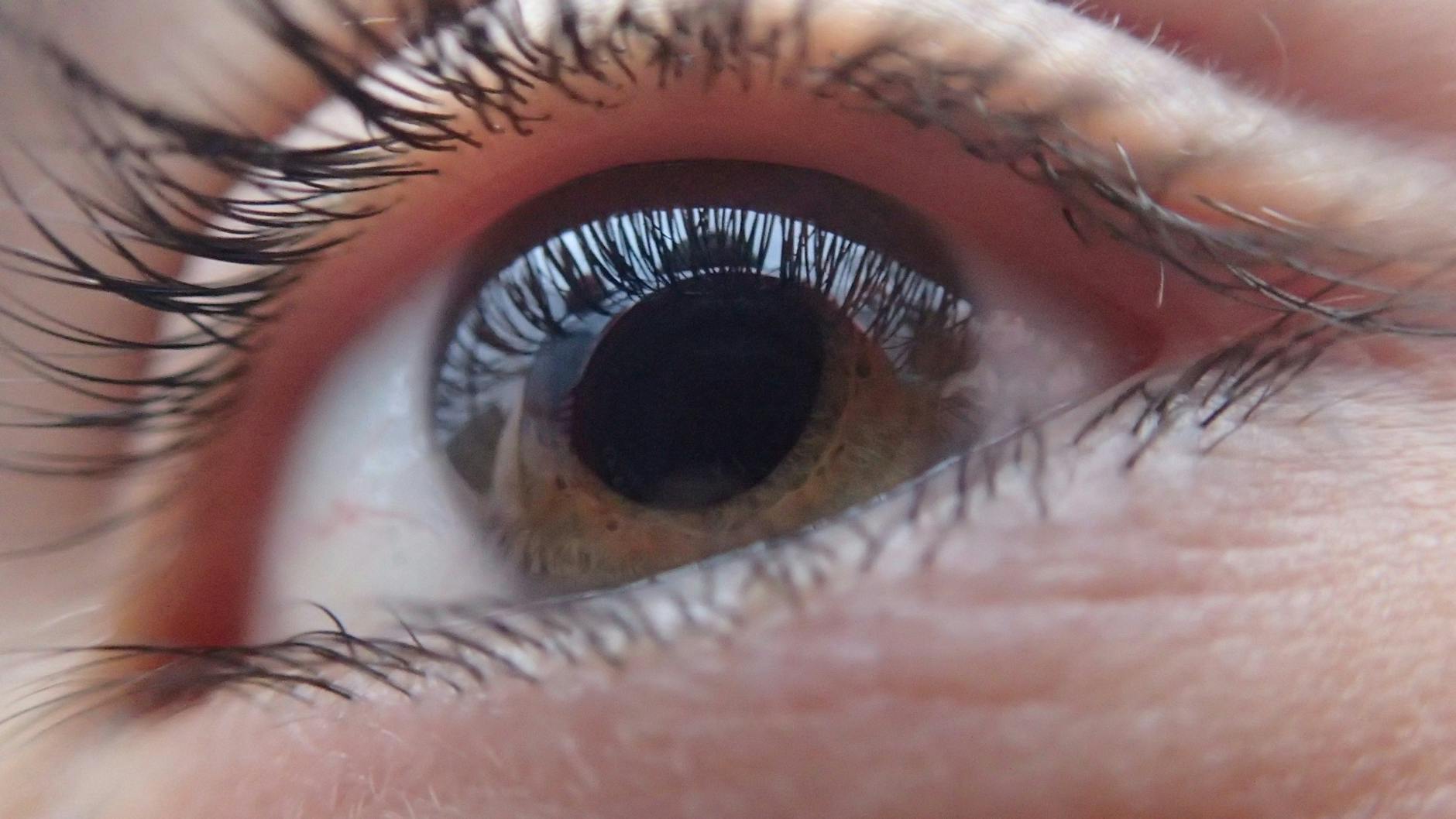
Vision is our most dominant sense. But can we hack it to improve our health? Dietitian Lucy Carey delves into the world of visualization.
Vision is our most dominant sense. In fact, just seeing someone do something can create new neural connections in our brains (that’s the way most children learn to do things, right? By watching the people around them).
Visualization taps in to this. You imagine yourself doing something, like giving a great speech, and your brain starts to create neural pathways to support that task, even though you’ve never actually done it in real life. The thinking behind this is that when you go to actually give the speech in real life, it’ll be easier and you’ll be more confident.
Research studies show that visualization is more than just a nice theory. From recovering from surgery faster to improved muscle strength and treating phobias, visualization has wide-ranging effects depending on how you use it.
It can help to overcome thoughts that aren’t serving us, like our limiting beliefs (e.g. “I’m just not good at sport”) and our tendency to focus on negatives over positives (this is called negativity bias, e.g. “I fell over that time playing netball, it was so embarrassing!”)
Some people have even found success with using visualization to help with eating disorders. Visualizing what recovery looks like (and smells, like, tastes like, etc.), can be a very powerful tool to aid recovery.
For some people who have a long history of a broken relationship with food and their body, they don’t know what it’s like to eat normally. There’s no point in time they can look back on and say “I want to be like I was back then, when I was unafraid to eat and I enjoyed my meals.” Visualization for these people is imagining a whole new life they haven’t yet experienced.
Visualization can also be used to rehearse a new coping skill and work through emotions that aren’t being dealt with – two major factors at play in binge eating recovery in particular.
When it comes to your own life, and that of your nutrition clients, how could you utilize visualization to hack health?
Whether you do it through mental imagery or journaling (for those who love to write), be as specific as possible and try to involve all five senses. Imagine not just the goal, e.g. eating Christmas lunch with no fear or guilt, but everything surrounding it. What are you wearing? Who are you with? What does it smell like? How do you feel? What can you hear? Vision boards, guided meditations and daily affirmations can also work with your visualization to really engage your brain in creating those neural connections.
So what is it that you want to do? As Lao Tzu famously said, “
So what is it that you want to do? As Lao Tzu famously said, ““Watch your thoughts, they become your words; watch your words, they become your actions; watch your actions, they become your habits; watch your habits, they become your character; watch your character, it becomes your destiny.”