
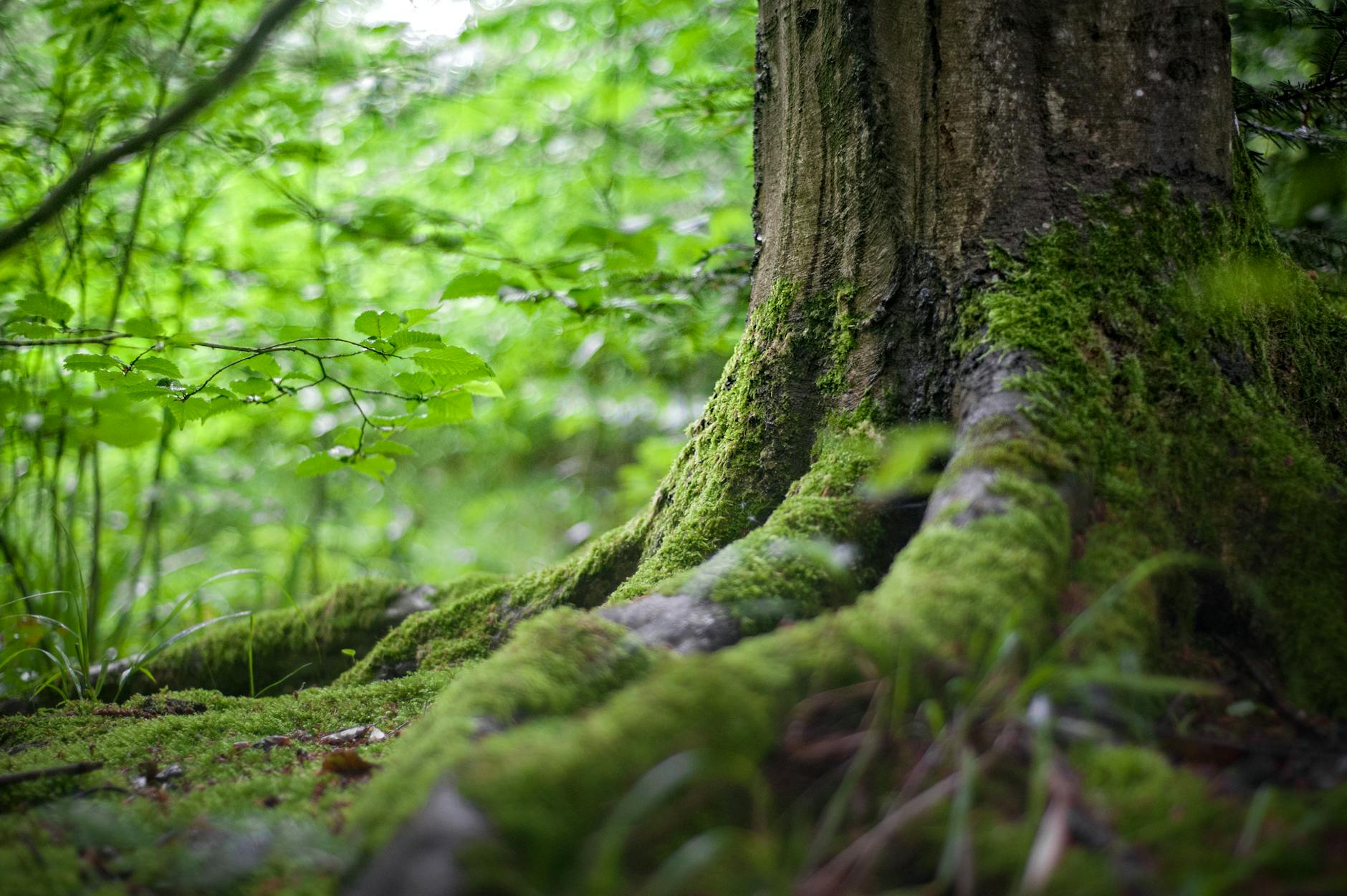
The answer to stress, burn-out and low energy might not be in the doctor’s office, but in the trees of the forest.
“I just feel like I need to go off-grid or something. Like, hike into the forest and just camp out for few days, you know? I always feel better when I’m in the wilderness.”
I nodded. Not only was he craving the time away to reassess and regroup after going through a very stressful time, he also just needed to soak up everything that nature has to offer.
“You want to go forest bathing.”
Forest bathing, or Shinrin-yoku as it is known in Japan, isn’t anything to do with washing yourself. It’s immersing oneself in nature. Putting your phone away and soaking in the trees, the sunlight, the fresh air. This Japanese practice originated in the 1980s and, unlike hiking, it’s not about trying to get to any particular destination. Instead, it’s about being present in nature. It’s basically mindfulness in the forest. In Japanese culture, nature is revered for its restorative and healing properties.
For good reason.
There aren’t many studies on forest bathing (being a relatively new thing), but the ones we’ve got are very promising. Studies indicate that forest bathing lowers the stress hormone cortisol and promotes parasympathetic nerve activity – in other words, it relaxes you. It can alleviate symptoms of depression and anxiety. And, interestingly, being in nature also seems to promote a positive body image.
How does all of this work? We all know that trees take in carbon dioxide and release oxygen, so the air is literally fresher in the forest. But did you know that trees also release phytocines? These are airborne chemical compounds that protect the trees from bacterial and fungal attacks. And when we are forest bathing, we breathe them in.
In our bodies, phytocines enhance natural killer cells, which are white blood cells that clean up infected and defective cells in our bodies. They also stimulate dopamine and serotonin release, giving us a dose of these feel-good hormones. And they may even help us to breathe easier through their anti-inflammatory effects. Some people with asthma find forest bathing can help relieve symptoms.
So how can you incorporate forest bathing into your routine?
If you’re lucky enough to be able to go to an actual forest, that’s going to confer the greatest benefits. A 2022 study showed that this had greater effects on heart health than walking in a city park, but something is always going to be better than nothing.
So if a forest isn’t doable for you, walking in a city park can still improve your mood, heart rate variability and memory.
In fact, looking up at the sky, being exposed to trees, and hearing birds chirp, all boost mental wellbeing, especially among those at higher risk of mental illness.
Even the humble houseplant can help. It’s not a forest, but houseplants are associated with better mental wellbeing.
In fact, just looking out the window at greenery instead of man-made buildings has been shown to boost students’ test scores and help them recover better from stress.
So while any nature is better than none at all, you’ll get the most benefit from truly immersing yourself in it. If you are able to get into the forest, make sure to put your phone away and take your headphones off. The whole point of forest bathing is to engage all of your senses and be present in your surroundings. No podcasts or music here, please.
As you enter the forest, walk slowly and mindfully, taking deliberate steps and allowing your senses to engage with the surroundings. Notice the different shades of green, the patterns of the bark, the light filtering through the leaves above. Listen to the symphony of nature – the rustling of leaves, chirping of birds, and the distant flow of a stream. Breathe deeply, inhaling the scent of forest air. Touch the rough bark of trees, the softness of moss, and the coolness of stones. Take your time, be present, and let the serenity of the forest wash over you, noticing the sense of relaxation and rejuvenation it provides you.
My stressed client didn’t go completely off-grid in the end. But he did take a few hours out to forest bathe, and he came back feeling so much better that he made immersion in nature a regular part of his routine.
I personally find that my children and I can be grumpy, tired and all out of sorts, but when we venture into the local forest, going far enough in that the rumbling of cars driving past fades away, and all we can hear is bird song and the occasional cracking of a pine cone breaking from a branch in the distance, a peace settles over us. We touch the trees, the children find sticks as all children do, and we all delight in running over the soft bed of pine needles under us. The tranquility of the forest stays with us for hours afterwards. It’s so calming and restorative that even when it’s pouring with rain we’ll put our gumboots and jackets on and head on out.