
Tune in to a podcast episode that will change your relationship with food forever. Dietitian Lucy Carey speaks all about finding food freedom.
Something a little different for you this week!
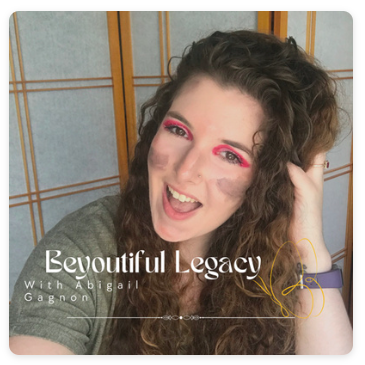
I was interviewed by the lovely Abigail Gagnon on the Beyoutiful Legacy Podcast a few days ago. We spoke about all things food freedom, ranging from dieting to self-talk, how to talk to children about food, what to do about emotional eating and more.
You can listen to the podcast episode here.
Or, if you’d rather read it, the transcription is below.
Abigail: Hello, hello everyone and welcome back to the Beautiful Legacy Podcast. I am your host, Abigail Gagnon and welcome to the first episode with a guest for season three. We have Lucy here with us today, and we are going to be talking all about healthy relationships with food. And I am very excited to chat about this today.
Lucy, can you tell us a little bit about yourself?
Lucy: Sure. Well, I’m a registered dietitian here in New Zealand, and I have been for about 10 years. I have a master’s degree in dietetics and I’ll reel off my qualifications so you know I don’t just make stuff up. I also have my board certification in lifestyle medicine. I’m a fellow of the Australasian Society of Lifestyle Medicine, an Approved Practitioner with the Australian Centre for Eating Disorders, and I’m Christchurch Ballet Society’s affiliated dietitian.
But really why I’m here is because when I was about 18 and trying to get into med school to be a doctor, I got very close to the brink of anorexia and then absolutely bombed my med school interview. Thank God. I think it saved my life because then I had to kind of reevaluate things and slowly heal my relationship with food. Then I decided to become a dietitian so I could help other people do the same.
Abigail: That’s awesome. And could you tell us a little bit about that? Obviously go into as little or as much detail as you want. But how did you know that you had an almost problem? Like, was it people were pointing things out to you or was it things that you noticed?
Lucy: Well, because I was a very studious student and I was sitting in my lectures about health, you know, trying to get into med school. In New Zealand we do our first year of health sciences and then you apply for med school.
And so I was sitting in a lecture and they were talking about eating disorders. And I was sitting there calculating, oh, is my BMI too low? I fill out all this criteria. I was literally like ticking all the boxes for it. And I thought it just hadn’t gone on quite long enough to “qualify” if you will, as anorexia, but I knew I had a problem because I started skipping meals and friends would ask me where I was. I think a lot of people think that eating disorders start kind of in your mind and manifest with food, but actually a lot of the time it’s the other way around.
So I wasn’t eating enough because I was so stressed and I had gained a little bit of weight as you do when you leave home. And I thought that was the end of the world. So it was this kind of dieting mindset. Then I started eating less and less, and then that affects your brain and that pushed me further and further down quite a dark path.
Abigail: I really appreciate you sharing that with us. And for those that are listening that may not know what the different types of eating disorders are and like what the difference is, would you mind sharing a little bit about that with us? So maybe someone listening might have a better idea of whether maybe that’s something I should talk to a dietician or my doctor about.
Lucy: Sure. So the thing is there’s eating disorders and there’s disordered eating, and I know that is so confusing. So eating disorders, we all kind of know them. They’re anorexia where you eat very little. And we often think of that as teenage girls and dancers who kind of getting skinnier and skinnier and skinnier, but you can actually have anorexia and still be overweight. It’s just, you’re not eating really anything. As little as possible. Then there’s bulimia where you may eat and then purge, whether that’s through excessive exercise or through vomiting or laxatives or something like that. And then there’s binge eating disorder, which is kind of like bulimia, but without the purging. So we’re just having episodes of binging.
But where I do most of my work isn’t necessarily with diagnosed eating disorders because they, you have to tick all the boxes and that’s very, strict set criteria in the diagnostic manual that you have to tick the boxes to qualify as having an eating disorder. But there are so many people who don’t quite tick the boxes and that doesn’t mean that they don’t have a problem and that they don’t deserve help and that it’s not greatly affecting their quality of life.
So I do the bulk of my work in that kind of grey area where it’s not quite a full eating disorder, but you might be doing a lot of dieting like yo-yo dieting, you may be binging, which isn’t just eating a large amount of food, but it’s feeling completely out of control when you’re eating, like you’re doing it more to regulate emotions or numb down emotions by eating food. And you feel like you can’t stop.
Or I do see people who are slowly cutting down more and more and more of what they’re eating kind of getting closer towards anorexia. So it’s in that big grey area where I do the bulk of my work and I think a lot of people live there.
And the huge difference for me between a diagnosed eating disorder and disordered eating is that we pity people with eating disorders, but disordered eating, we often just say, “Oh, they’re looking after their health” or “They’re trying to be really mindful about what they eat.” And it’s really socially sanctioned. It’s celebrated, in fact.
Abigail: Absolutely. Yeah. I can totally relate to that. Or people will look at you and be like, for instance, I’m gluten-free. Not because I want to, but because I need to. And some people will be like, “Oh, well, you must be so healthy.” Or like, “You’re just eating it because you’re trying to be healthy” or whatever, or, I don’t know. I just think that sometimes we never know what someone is going through or why they’re not eating certain things. And I think sometimes we can celebrate the wrong things because we don’t know people’s reasons behind it.
Lucy: Absolutely. And one of the things that I always kick myself for is praising people for weight loss. They’ll come to me and say, “Oh, I’ve lost 10 kilos” and I’m so conditioned, you know, I’m a millennial. I grew up watching The Biggest Loser. Like, I’m so conditioned to be like, “Oh, that’s awesome. Congratulations.” But actually I have no idea how they lost that weight and it could be through really unhealthy behaviours. So I’m always pinching myself thinking, don’t praise weight loss, ask them what they did.
Because a lot of the time they’ll say, “Oh, I just drank one shake and ate nothing for months and months” or they were exercising a ridiculous amount or even purging. I had a client and before I met her she was throwing up about 10 times a day. And she gathered up all her courage and went to see her family doctor. And she didn’t just come out and say, “I have bulimia.” She said, “I think I have a problem with food.” And the doctor said, “Well, jump on the scales.” And he weighed her and then said, “Well, your BMI is good. So whatever you’re doing, keep doing it.” And it probably took another two years before she told another person. And the next person she told was me.
So that was two years that she had to suffer because the doctor, who’s probably very well meaning and, you know, has their heart in the right place, but they thought, well, we’ll just weigh you because the weight is the be all and end all, you know, we’ll see what your BMI is.
That is so sad.
Abigail: Yeah. I, I’ve probably mentioned this on other episodes, but I was really, really skinny because I was throwing up a lot because of migraines that I was experiencing and being super dizzy and nausea. And so many people were like, “Oh, this is awesome. Like, you’ve lost weight. You’re so skinny. You’re so healthy.” But indeed I was not. I was absolutely not healthy.
And now I’ve gained, you know, back to kind of where I was at before. And I’ve had people tell me like, “Oh, you should lose weight, like whatever you were doing before you should do it.” And I’m like, no, that would mean not doing the things that I need to do or taking the medication or whatever so that I can live better. I don’t want to be throwing up every single time I eat because I can’t keep food down because I’m so dizzy and I feel so sick.
Lucy: That’s the opposite of health.
Abigail: Exactly, exactly. And so I wish people took more into consideration. More of like, like you said, like, how did somebody get there?
How did they lose the weight? And why are they trying to lose weight? Are they trying to lose weight? Like, because they want to fit in or because they think they need to, to be accepted by the people in their lives. Like what’s the motivation behind it?
Lucy: Absolutely. And I think the language that we use around food and our bodies and weight needs to change, especially when we are talking around children. They pick up on so much and we always make these little remarks.
Like if somebody has a stomach bug. And then they say, “Oh, it was awful. It was awful, but I lost weight. So that was a bright side.” You know, they, they say these little things or you might offer them some cake and they go, “Oh no, I better not. I’m trying to be really good.” And make these little value comments like their self-worth is really dependent on what they eat or what they don’t eat.
And kids pick up on that. And we’re getting more and more children with disordered eating behaviours. And most of the time it backfires into them overeating a lot of food. And then we have this huge child obesity epidemic.
Abigail: Absolutely.
I think in general, how we talk about ourselves and how we look and who we are around children and like in general is important, but I think especially around children, because like, even if I were to look in the mirror and just be like, “Oh, I look ugly today because I have a pimple on my face.” Like, I don’t want my niece growing up and then associating a pimple on her face with being ugly.
Or I saw a TikTok recently where somebody’s daughter asked her why she was putting on makeup. And the mom’s response was “So that I can be fancy.” She didn’t say so she could look beautiful. And I was like, that is such a nice way to put it because like, it’s nice to put on makeup and be fancy sometimes, but it shouldn’t be the determining factor of whether or not we’re beautiful because we have makeup on or cause we don’t have acne that day or whatever it is. And so I definitely think it’s important how we talk about ourselves.
Lucy: Absolutely. And I still remember, I would have only been five or six, and at the time it was very fashionable for women to wear bikinis at the beach. And my mum didn’t. And I remember asking her, why don’t you wear a bikini?
Cause I could see all the other women wearing them. And Mum said, “Oh, because I have a fat tummy” and I still remember that like it was yesterday and it was what, 30 years ago? It really stuck in my mind. Those little comments, kids pick up on them, and us, too. Why are we speaking to ourselves in such a mean way?
You know, we are the people we have to live with for the rest of our life. We should be our own best friends. Yet we have negative self-talk.
Abigail: I completely agree. I actually put a picture of me when I was, I don’t know, somewhere between three and five, I don’t know my exact age in the photo, but I put it up on the mirror in my bedroom so that when I look at myself and I’m tempted to talk down to myself, I can be like, I’m talking ill of her and I don’t want to do that.
Lucy: That is beautiful. I love that.
Abigail: Thank you. And I know that we’ve kind of been touching on this, but how would you say that, like our mental health plays into what we eat and how can we, like, what are different ways that you recommend people or you do for yourself? Like, how do you manage mental health in general?
Lucy: I’ll tell you about this study way back in World War II, the Minnesota starvation experiment. So this was in a whole lot of young fit men who were conscientious objectors to the war. And so they volunteered, they wanted to do their part. They volunteered to be semi-starved for several months.
Now the whole idea, researchers wanted to know, how do we refeed people? The war’s coming to an end. Everybody’s been on rations, haven’t had enough to eat. Is there a specific way we should feed them back up again and, you know, fatten them up again. And so these men volunteered to be starved, but the study took this dramatic turn because as they got skinnier they started becoming obsessed with their bodies. They would like, pinch their skin. They look like skeletons. They’re pinching their skin, talking about how big they are. They would read cookbooks. One man, I believe, took his girlfriend out to dinner just to watch her eat. Another man was chopping wood and he chopped off a finger. And when the researchers said, was that an accident or did you do it on purpose to get out of the study, he couldn’t say.
So it took this big twist. We had this idea our brain kind of, that’s where we develop any disordered relationship with food. And then it kind of, you know, it comes out in food, like it’s mental health first. But this really showed that if you don’t have enough to eat, that affects your brain.
So in terms of mental health, the number one thing that I tell people to do is not actually any mental work. It is to eat regularly and to eat enough.
Abigail: Absolutely. I think that’s a really good point. Because if we’re not fueling ourselves and we don’t have the vitamins and the nutrients we need that obviously plays into it.
Like, I know for me, I feel sicker if I don’t eat and my chronic health stuff gets worse. So even for somebody not chronically ill, like I feel like that can definitely play into the factor of how we feel about ourselves mentally.
Lucy: Absolutely. And probably every single argument I’ve ever had with my husband has been when I’m hungry. Or hangry rather.
That it is still the number one thing that I tell people, even people with severe eating disorders. The first thing that we’re going to do isn’t actually any mental work. It is eating regularly because that’s going to fuel us to be able to confront that negative self-talk and to be able to sit with any feelings that we might be anxious around eating and that kind of thing.
We can’t do that work if we’re not fueled.
Abigail: Absolutely. Absolutely. And for those that are listening that may have an unhealthy relationship with food or may be having different disordered eating habits or dieting and then trying another diet or stopping and starting. What are some of your tips for getting into the habit of eating nutrient dense foods and not feeling the guilt or shame when you don’t. And like, is it meal planning? Is that something that you recommend people do? Or what are like some of your general tips to people that kind of need a reboot in their diet?
Lucy: Yeah. So the first thing I think everybody needs to understand is that the diet industry is worth something like $192 billion globally, and they’re not worth that much money because they work.
They’re worth that much because you do the diet over and over and over again. And it’s well backed up by research that you may lose weight on a diet initially, but up to 97 percent of people will gain all the weight back plus a little bit more. That’s your body kind of protecting yourself against this famine that you’ve been through.
You know, in caveman times, it wasn’t a good thing to be losing weight. You know, that’s a signal to your body that we are stressed out. There’s not enough food. So puts on a little bit more. And when you diet over and over and over again, over a number of years, usually people end up significantly bigger than when they started.
So I think we need to understand that people get trapped in this dieting cycle. You know, what day would you start a diet? Monday, right? And then by Wednesday(ish), you’re probably feeling pretty crappy. And by Friday, you’re really craving whatever you’re not allowed. If this was a diet where you couldn’t have carrots, you’d be craving carrots, I swear.
And then on Saturday, you might think, “Oh, I’ll just have a little tiny bit of chocolate. That’ll, it won’t affect the diet.” And you have that little taste. And then this is what I call, you know, the Fuck It Effect . You go, “Oh, eff it” and eat the entire block, feel really guilty, really ashamed. And so it’s, “Okay on Monday, I’ll start my diet again.”
And we get very trapped in the starve-binge cycle. And the only way over the last 10 years in my career that I have figured out how to get people out of that cycle for good, is first eating regularly, and then honouring their hunger and honouring their cravings.
And it’s hard, like you say, we may be really focused on having nutrient-dense food and fueling our body, but then we really just want some Oreos.
And it’s easy to feel so bad about it or to be like, “Oh, just have a couple.” And we’re putting this mental restriction in place. And we actually know that just thinking about restricting your food slows down your metabolism, just thinking about it. So we’re already doing ourselves a disservice by saying, I’ll only have two. And then that leads to binging out.
So instead, what I tell people to do is have what you want, just add what you need. So you really want Oreos, go for it, satisfy your Oreo craving. But what do you know that you need to make your body feel good? Maybe a bit of protein, a bit of nourishment, so have some yogurt and some fruit with it.
Abigail: Absolutely, that’s, that’s really good advice. I think for me, it took me a while to get to the point of not, like, I don’t want to say overeating snacks, because like you said, you can then help that balance. But I used to, if I’d have snacks in the house, I would eat them all in like two days and I’ve gotten to the point where I can have that stuff in the house and eat it when I want to eat it and not feel guilty about it, but also not feel like I have to eat it because it’s in the house. Which is funny because my husband is the opposite and he does not understand how I can have stuff that’s like, my snacks, because he doesn’t like chocolate in the house and he’ll be like, “Why haven’t you eaten this? Do you not want it?” I’m like, “I do want it, but I don’t want it right now.” Like maybe I want some cherries or I want some cheese and crackers. Like just because it’s in the house, I have gotten to the point where I don’t feel like I need to eat it, but I also don’t guilt myself after I’ve eaten it. And it took me a while to get there.
Lucy: That is the perfect spot we want to get people to. And it’s this: nothing’s off-limits to you. So then you don’t crave it. You know, scarcity sells, right? That’s why we say “This is a limited time offer.” We’re doing the same thing to ourselves with food all the time. If we go, “Oh no, I’m not allowed cake” or I won’t allow myself to have this thing then it just makes us want it even more.
So I would absolutely rather people have some junk food regularly, rather than restricting it all the time and then absolutely rebounding and binging out and feeling out of control whenever that’s around.
It’s the same with little kids when they get to a birthday party. If they’re a child who’s not allowed treat food at home, they get to the birthday party and they’re that kid that eats and eats and eats until they throw up. And it’s because of that restriction, because it creates this food obsession. So if we cut that restriction out and we’re allowed everything without guilt, without shame, we’re just honouring what our body tells us that we want.
We know that some foods nourish the body, some foods nourish the soul. So we’re just allowed that junk food and then it becomes no big deal. Just like you were saying that you don’t feel the need to finish the chocolate.
I took my six year old to the movies a couple months ago in the school holidays. And I said, “Oh, what should we get? Should we get Maltesers? Should we get popcorn?” You know, all the things. And he just looked at me.
“Hmm. I’m not that hungry. Maybe just pick one.”
And I couldn’t believe it. He was so untouched by that diet culture and it’s just no big deal to him. So he wasn’t super excited about it and he wasn’t craving it and he didn’t eat a whole load of it. And I thought, God, this is the point where I try to get people to. To be like a child.
Abigail: I love that. And what are some of your tips for those that have children or have kids in their lives that they’re, you know, responsible for on a regular basis?
How would you recommend that they talk to the kid about food. Like, are you of the mindset that, you know, finish everything that’s on your plate? It doesn’t sound like it! Are there different tips that you would say, like ways that you would recommend people talk to kids about food and what’s on their plate, et cetera?
Lucy: Absolutely. So I believe in the division of responsibility, which is this concept that the parent is in charge of what, where, and when their child eats, but the child’s in charge of how much they eat if they eat at all. Because they have this inbuilt hunger and fullness mechanism. You know, their hormones work perfectly. And as adults, we usually just screw it up and teach them to overeat. When we say, “Oh, you have to finish this,” or “You need to finish your before you get dessert.” We’re just teaching them to overeat. And a lot of the time we praise them for eating. “Oh, you’re such a good eater” and, “Oh, it’s good to see you finishing your plate.”
And we’re just teaching them that when they eat past their own fullness, they get praised for it. So I wouldn’t say anything about how much a child eats and just let them do their thing. And some days they’re going to be hungrier than other days. And that is perfectly normal. I think as parents, we often get into this guilt trap.
We think, “Oh, he didn’t eat anything and he’s going to be hungry. I’ll just, I’ll make them something else.” And then we’re just teaching them if you don’t eat dinner, you get something else that you might want more.
And I think just having meals as a family, there’s good evidence around eating together, that babies develop language faster, kids are more likely to eat what’s on their plate when they eat it as a family, especially if they’re involved in the cooking. Teenagers are less likely to report depressive symptoms and suicidal ideation. There’s all this great stuff about eating together. So eating together as a family and the family meal only, like, don’t make another meal.
And when kids ask about food, I often tell them what it does. But the focus is always on the positive. So say, “Oh, veggies help keep you healthy and milk helps keep your bones strong and meat will grow your muscles.”
And then when my children say, “Well, what does a Tim Tam do?” I say, “Nothing. It’s just for fun.” And they have this good concept of some foods help my body to grow and be healthy and other foods I just have because they’re tasty. I think that’s a really healthy relationship with food.
And I’ll tell you what, my six year old was reading a book last week and in the book, there was a boy who was, you know, being trained to become some kind of warrior and he stopped eating McDonald’s and he stopped drinking soft drinks and he stopped eating all junk food.
And this really, really bothered my son. He was lying in bed that night awake and he said, “Mummy, there’s something wrong in that book.”
I said, “Well, what was it?”
And he said, “Well, he said that he wasn’t allowed to eat treats anymore, but that’s not right because they might not do anything. They don’t help you grow, but they’re still fun and you’re still allowed them.”
And I was like, yes, that’s exactly what I want you to think. And that he picked up on this bit of diet culture in this book. If you’re a warrior, you need to cut out all this junk food. And we have this real concept that our health and our sporting performance and all this stuff is dependent on what we cut out, but really it’s more dependent on what we put in.
So I always focus on what to include, not what to exclude.
Abigail: I love that. I think that that goes for so much too. I think as a society, we often think of, “Oh, well, if you want a more positive life, you need to cut out this, this, and this.” And we don’t talk enough about the things that we should be adding to help replace those things or do in addition to those things to enrich our lives.
Lucy: Absolutely. And we have this huge focus when it comes to health on diet and exercise, diet and exercise. Well, really sleep is so underrated and so incredibly important. There was a great study. It’s a very old study and it was only in 11 men, but they were only allowed to sleep for four hours a night. And at the end of six nights they would all have been considered prediabetic. Nothing to do with what they ate because they were provided food for the study. It was just the sleep changed their hormones so much.
But we don’t talk about sleep and we don’t talk about stress management and we don’t talk about social connections. All these soft drivers of health. I don’t even know why they’re called soft drivers, because they make such a huge difference to our health, but they’re not things that make people a lot of money.
So we don’t get a lot of funded research into them and we don’t have them advertised to us all the time. They’re not, they don’t have these huge industries backing them. So they’re not in our faces, but they’re probably just as important, if not more important, than diet and exercise.
Abigail: Absolutely. Same with just rest in general. I think sometimes we’re so much of the mindset of go, go, go work, do this, do that, you have to do as many things as possible and have a full life and then exercise and whatever, and don’t sleep until you crash. And I feel like if you’re going to get to the point where you’re crashing, you’ve probably pushed yourself too far and should have been taking some breaks here and there. And I am saying this as somebody that’s very guilty of being of that mindset in the past and still have some weeks where I push myself too much, but I am definitely trying to get more of the mindset of I can do less in one day and spread out my stuff and be able to be more productive, get the stuff done, find more joy and fulfilment in what I’m doing than if I try to cram it all in at once and just get super stressed because I’m crashing.
Lucy: Absolutely. And we’ve all fallen victim to that hustle culture. And one thing that really pulls me back from it these days is that I know the number one thing that makes children anxious is having a hurried parent. They call it hurried child syndrome. When your parent is always in a rush, it creates anxiety for the child. And so it really slows me down, thinking I don’t want my children to feel worried because I’m always rushing around and trying to do a million things and I never just take the time to just chill out with them.
Abigail: That’s a very good point. That is something I, like I said, I’ve gotten a lot better at, but I think when it comes to like going places, I tend to be kind of like freaking out if I’m going to be late to something, which I’m not saying like purposefully try to show up late or that, you know, you should show up late to things. Just realize that if you’re a couple minutes late to things, depending on what it is, it’s not the end of the world.
Lucy: Absolutely. And you know, we’re having this conversation but I don’t want people to think that it’s real life that I never rush, you know, I’m talking about what I try to do, and that’s the same with food and exercise and sleep and everything. We’re going to just try our best and give ourselves a bit of a break when it doesn’t work out. That’s why I’m very anti having like, Fitbit and smartwatches that measure how you sleep because I feel it in the morning you check it and if it says that I didn’t sleep well, then I would automatically become stressed from that and think I really need to sleep better tonight.
And it’s this vicious kind of cycle. Some people may not react that way to theirs, but I think I’m definitely one of those people who gets a bit obsessed about numbers like that.
Abigail: I think that that is very true. For me, I’m the opposite to some degree. Like I am not a big, like numbers person entirely. Like, I don’t weigh myself very often. I’m not like, I try not to focus on those types of things, but I do have a smartwatch and I do like being able to see how it says that I slept compared to how I feel because I find it interesting. And not only that, but sometimes if consistently, like, for days, it’s saying that I’m not getting into deep sleep, like at all, I normally then try to think about what may be causing that or whatever. Or if I noticed that my steps have gone down, I kind of evaluate, like, was it because I was, you know, resting, like I should be resting, or was it because I just didn’t feel like doing the things that I should be doing? So for me, it can be a good.
Lucy: Absolutely. And it’s so personality dependent. Some people love that and they find it calming if they feel like they didn’t sleep well when it says that they did, then they can relax about it. There’s other personality types. And I think, often with people who tend more towards under eating, like I definitely was on my way to anorexia when I was younger, you know, eating less and less, there’s a big overlap between that and sort of OCD-type behaviour. Not necessarily full on OCD, quite subclinical, but something I always ask my clients if I feel like they’re under eating, I ask do you put your left shoe on first? Do you have these routines, like always left shoe, then right shoe, or I always brush my hair before I brush my teeth, or I always sit on the same spot on the bus, and there’s these little things, like a lot of their life tends to be in these kind of rigid routines, and they’re the kind of people where I want to be like, “Take off the smartwatch. Don’t look at the numbers because your personality is not aligned with that, it may make things worse for you.”
And actually often we tackle little things before we tackle food. So say, okay, we’ll put your right shoe on first and then witness that the sky doesn’t fall down. And that it’s okay and practice doing that. And then we might move on to a few other things and then it makes the food changes less scary.
Abigail: That makes complete sense. And speaking of like numbers and different things, what would your recommendation be for those that track what they eat and try and fit what they’re eating into a certain amount of calories but they’re still hungry or they’re trying to reach these calories and they’re overeating because they feel like they need to reach that certain number.
Lucy: Throw out the apps. Stop counting it. Don’t look at it. And it’s, I think it’s almost laughable that we think like, as humans, that we’re so smart that we know better than hundreds of thousands of years of evolution. Your body knows how much you should eat. You already know that. You’re just messing it up, trying to calculate it and fit things. And I think we should be leaning more into learning our bodies.
For people who have dieted for a long time, you can’t really just turn around and say, “Oh, just eat what you feel like and however much you feel like” because they’ve ignored their bodies for so many years. They don’t know how to listen. And so they really have to relearn.
And that starts with just eating regularly, you know, breakfast, lunch, dinner with some snacks in between. And then your hunger and fullness hormones start to stabilize a bit more and you kind of get back to normal. Then you can learn what does my hunger even feel like?
I see so many people who say, “I’ve never felt hungry for years” because their body’s kind of shut down that mechanism because they just ignore it. It’s just a waste of energy for their body if they just ignore that hunger signal. So it’s a process of relearning, relearning when you’re hungry.
What does that feel like? What does it feel like when you’re full? And when you look at it as a learning experience is everything’s just information to you. That means you’re a bit kinder on yourself when you screw it up and when you do overeat and then you feel sick. Or you get really really hungry. You think “Oh, I should have eaten before. Why didn’t I?”
It’s just a learning thing “Hey, I’m just relearning my body. That’s alright. I’m not gonna get it perfect every time.” It’s why I always tell people to learn their body instead of listen to their body. Because people get upset if they think they didn’t listen to their body, but if it’s just a learning experience, it’s much gentler.
Abigail: That makes a lot of sense. I think one thing that I have kind of been thinking about the last couple of years is I used to be like, I need to eat breakfast, lunch, and dinner in certain foods. Like, I don’t like eating like lunch/dinner foods for breakfast. And that hasn’t changed, but it took me a while to realize that sometimes I’m more hungry at lunchtime and I’ve been like, oh, well, I can’t eat this big lunch because then dinner rolls around and that’s supposed to be the big meal.
And I had to realize, like, why do I think that way? Like, if I’m really hungry now, cause I just, you know, have been outside and doing all this stuff and sweating and whatever, like I can eat a big meal now and eat a small meal for dinner. Like, why does it have to be the other way around?
And that is one thing that I’ve learned about myself that yes, some days I do eat like a smaller lunch, like what’s normal, but it’s okay to also flip it and listen. And learn that my body sometimes is just more hungry in the middle of the day some days.
Lucy: Absolutely. That’s probably a very natural way for you to eat, but we have all these ideas because of how we’ve grown up or what we think is acceptable in society. It’s like one time, it was after lunch and my son asked for some ice cream in a cone. And so I went to get that for him and my partner just had this freak out over it. He was like, “You can’t have ice cream after lunch. Like, ice cream is a dessert thing.” I said, “Why?” And it was like this, this moment where he was like, “Well, that’s just how it is.”
And I asked why? Why can’t you have ice cream after lunch instead of after dinner? And I could see this light bulb going off on his head thinking, why do I think that? It’s probably just because that’s how I’ve grown up, but there’s no real reason for it.
Abigail: That is the one thing that I have realized over the last several years is there have been a lot of things where I, either my husband will ask, or I will ask myself, like with the lunch and dinner thing, like, why do I think this way?
Is this because of, you know, how I was raised because of society, because somebody once told me this. And when I realized that either I don’t know why, or if I really thought about the why, I don’t even agree with it, like, why am I doing this this way? I think that it gives a lot of freedom when you actually know why you think a certain thing.
Lucy: Absolutely. And a lot of us grew up with what the internet would call ‘almond moms’. And this is, there was a video that came out probably a couple of years ago and it was Gigi Hadid, the supermodel, but she was a teenager. She was about 15, I think. And she calls her mom and this video kind of resurfaced on the internet. She called her mom and said, “I’m feeling really faint. I’ve only had half an almond to eat today.” And her mother said, “Have two almonds and just chew them really, really well.” And that was her whole advice.
And it sparked this kind of #almondmom thing. Thinking who’s that person or the people in your life that are that real diet culture influence, the ones that would look at you if you had more than a couple of biscuits or, you know, the ones that make the comments about, should you really have that? And it really makes you think. A lot of us probably did have someone like that growing up, or we may still have someone like that in our life. And it’s that that person, they are so ingrained in diet culture themselves that they push it on other people. It’s like hurt people, hurt people, if you know what I mean.
The comments are all about them, not really about who they’re speaking to. I think a lot of what I think about food, or what I did think about food, probably came from those diet culture influences.
Abigail: For sure. Absolutely. And I think in general, like a lot of what either we were taught growing up or what society taught us, a lot of it is people, they don’t even know why they believe this. They’re just passing the information because that’s what they’ve been told. And to a point, there’s some of it that kind of becomes like the telephone game where nobody knows why they’re saying it. They’re not even repeating the information correctly. They’re just saying what they’ve been told. And I think how, like, that’s kind of like a cycle that I want to break with people that I know. And one of the reasons that I have this podcast is because I want to learn from other people and I want to be more in tune with my why and have people on that either I know nothing about what they’re going to be talking to me about, or I know some but I want to expand my thought process and learn more of why I think a certain way or why even somebody else thinks something, even if I do leave the conversation not agreeing with their point of view. Like I just, I want to understand more of why people think certain things and why I think certain things. And that kind of stuff.
Lucy: Yeah. And that curiosity is such a great mindset to have. I mean, why do we think that we should drink eight glasses of water a day? That’s like you say, the telephone game has just been repeated over and over. When you dig into it, it seems to actually come down to bottled water companies selling water. We’ve kind of repeated this over generations. And when you stop and think about it and you have that curious mindset that you’ve got where you’re not judging yourself for it, and you think it’s okay if I disagree with people or if I do learn from them or I don’t learn from them, but it’s just being curious and being open to it.
I think that’s how we need to be around food as well. We need to challenge these beliefs that we hold. Where do they come from and is there actually any basis to them? And the same with our self talk, we say, “Oh, I hate my thighs. They’re so fat and ugly.” Why do we think that? Where does that come from?
Those legs carry you every day and you can run and you can jump and you can move around freely. And that’s an amazing thing. And we need to flip some of these thoughts on the head and really challenge them.
Abigail: Absolutely. And I was thinking the other day I had taken a photo of myself and I was sitting and I didn’t like how my stomach looked in the photo. And then I was thinking about the fact that like, most people that look at this photo might not even notice one, two, they might not think anything of it if they do. And three, like everybody has rolls to some degree when they sit down, like our organs are not flat. We’re not meant to be like this flat piece of cardboard.
And yes, there’s some people more toned and like, that can be a nice goal that people have to, you know, work out and get toned abs and all this stuff. And that’s not necessarily a bad thing, but that shouldn’t be your main goal in life to not have rolls when you sit down or overly criticize ourselves when either one, like I said, people might not even notice and not think these things. And we’re like, essentially hurting our own feelings by what someone may or may not even be thinking about.
Lucy: And we’re perpetuating these unrealistic beauty standards as well. And I do the same thing. I will go to first post a video on Instagram and I’ll think, Oh, maybe I should have worn more makeup. Maybe I should have used a filter.
And I still sometimes, I do put a filter on some of my videos and then I hate myself for doing that because I think people are watching this and they think that’s what I actually look like. It’s not. And I’m just being part of the cycle that I hate.
And people love authenticity. And they, if somebody sees you sitting with some rolls, it makes them feel less alone because they sit with rolls. Because you know what, you have a uterus and you’re not perfectly flat and your stomach isn’t made to be perfectly flat all day long. It’s going to change and we can either be part of the problem, like when I post videos with my face filtered, I know I shouldn’t, or you can make people feel less alone, even if it’s just one person that sees that and thinks, Oh, she doesn’t have perfect skin, she looks like me That would be worth it. So that’s what I try and tell myself and I’m not perfect and I don’t always do it, but I’m trying more and more to just be more and more real online.
Abigail: Absolutely. I was thinking about that yesterday as well, because I changed my profile picture on my personal page and I like not wearing any makeup, no filter, no, nothing.
And I don’t normally put a lot of filters on photos, but sometimes I will like videos, like you said, generally more so in like, my stories, I feel like, but either way, when I was looking at the photo after I’m like, I actually feel like, really pretty in this photo. Like I love that I’ve gotten to the point.
And not every day do I feel pretty without makeup and no filter, but I’m so glad that I’ve gotten to the point that overall, I would say that I don’t need makeup to feel pretty. And I want, I would hope that maybe like you said, me posting that would help remind people that like your skin doesn’t have to be completely even and all of this, like textured skin is normal. And we don’t need to have makeup on all the time to be beautiful.
Lucy: Absolutely. And it’s the same thing when we go to the gym. Why are we going? Are we trying to change our body? We’re trying to change our appearance? Or are we going because it makes us feel good. And we like to feel fit and strong and get that endorphin release.
I think if we can focus on the positive, then if it does change our body, that’s just like a side effect. So there’s a little cherry on top, but if the main goal is a positive one, then we’re more likely to stick to it and feel better about it.
Abigail: Absolutely. Cause our body is going to fluctuate. Like even if you are consistently working out, like the weight on the scale is going to change depending on what time of day you take your weight and whether, you know, you’ve got extra muscle versus fat, like all of those things factor into it. And I think just focusing on the outward appearance and not how we actually feel about ourselves, how our body feels as a whole, then we’re missing the point of doing all those things in the first place, or at least what should be the point.
Lucy: Yeah, you can’t hate yourself healthy! So we need to be loving ourselves healthy.
Abigail: Yeah. Cause at that point, I feel like a lot of times we then aren’t satisfied no matter how we look because we always are trying to reach this next goal or we’ve lost X amount of weight, but now we have excess skin here or whatever. And I’m not saying having goals isn’t a good thing…
Lucy: … But when they’re all appearance focused, it can really lead into that disordered behaviour. And that’s when we get extreme dieting and we get this overexercising and we really fall into that pattern. It starts with having goals that are only appearance related.
So I ask every single client I have who says “I want to lose weight.” I ask them why. And I keep asking them why until we get to the positive reasons. And I say, well, that’s our goal. So if you want to lose weight because you want to be able to keep up with your kids, that’s the goal. Keeping up with your kids is the goal and weight loss is just a side effect if it happens.
And that way if it doesn’t happen but they’re still feeling fitter and have more energy and they’re sleeping better, they’re not going to give up and say it was a waste of time.
Abigail: Absolutely. And speaking of people working with you, how can those that are listening work with you? Are you, do you do all of your stuff in person? Do you do some virtually?
Lucy: No, I work virtually as well. And I have some online courses as well. And I’ve got a lot of free resources.
So my website is EatTypeLive.com. I named it a long time ago, it’s a blog, but it’s a bit of a funny name, but EatTypeLive.com. If you go on there, you’ll see there’s 5 Secrets to Binge Eating Freedom, the cheat sheet that you can download for free. There’s a binge eating mini course. And I do a lot of training for health professionals as well, trying to stop that cycle of just jump on the scale and teaching them how to actually ask people about their relationship with food and how to treat disordered eating. So my website has all that stuff on and I’m all over socials as well @EatTypeLive.
Abigail: Awesome. And in general, I know that you’re not in the US but what is the general cost of somebody wanting to work with you?
Lucy: All my courses are priced in US dollars because it just confuses people to have it in New Zealand dollars. So my mini binge eating course is just $27. I tried to make that one just super small and affordable. You can get through the whole thing in less than an hour.
Working with me one on one would be about $120 for an initial hour long consult. And then a bit less for follow ups. And I can do everything over zoom. Sometimes it actually works out better to be on New Zealand time because then I can see people in their evening, but it’s during my work day. So it actually can work out really well for people who want to be having these conversations after hours. So it’s not interfering with their work or the school drop offs and pickups and all that kind of stuff.
Abigail: That’s really awesome. And for those that are listening, as always, whenever I post about this episode coming out, so within the first 24 hours in my Instagram stories, there will be a link to her website and she’ll be tagged and all those good things. And then if you’re listening to this ater the 24 hours of this coming out, it will be the one slide with her website will be in the guest links highlight. So you can find that information on there if for whatever reason, you have trouble looking up her username or website.
And in my stories, when I was writing up questions and talking points and different things like that for this recording today, I had asked people to send in any questions.
So I got a couple. So one of the questions from a listener is from Mariana and she asked about how to stop emotional and stress eating and I know that we’ve kind of touched on that a little bit, but because she asked the question, is there anything specifically that you would like to add about that topic?
Lucy: Absolutely. And you know what? Download the 5 Secrets to Binge Eating Freedom from my website because I go through this exactly. So the first place is still always that regular eating, that being consistent and not compensating if we stuff it up, if we do stress eat or eat emotionally, then we don’t say, “Oh, well, I won’t have dinner tonight.”
There’s no compensating. We just keep that regular eating because we want to be signalling to our bodies that this is, we want to be calming ourself down. Like we don’t want to be saying we’re super stressed out and now we’re over eating, now we’re under eating, and it’s going all over the place. We’re trying to signal to our bodies that it’s okay. We can calm down through food, just that regular eating.
And then actually the next thing to do is to give yourself permission to binge. And I know that sounds so counterintuitive, but we often overeat and stress eat and emotionally eat because that’s a way that we deal with our emotions.
And a lot of us were, you know, sent to our room when we were little, when we had a tantrum and we kind of learned that emotions are bad. And somewhere along the way we learned that we could kind of numb it with food. And so we use food to regulate emotions.
And you want to add other ways to do that emotional regulation. You want to allow yourself to feel and add more tools to your toolbox, but in the meantime, you may still need to use food. And if you make that mental switch into, “I have permission to stress eat if I really need to”. If I’ve done my, you know, I’ve danced it out and I’ve written it in my journal and I still really feel like I need the food, that’s okay. And often that permission is actually all we need. And then you might find you don’t even actually need the food. You just needed that permission. So permission to binge is a huge one.
And otherwise it’s really just about building your own self worth. I think that’s really the root of a lot of emotional eating is low self-worth. We need to build that up and learn how to respect our bodies and learn our bodies again and add other tools to the toolbox of how to deal with emotions.
Abigail: I love that advice and I will also do another slide with the link to the 5 Secrets to Binge Eating Freedom as well, for anyone listening. So that will also be in guest links highlight. I know we’ve talked about it a couple of times and that way it’s easier for you guys to find it.
And then the other question was from Taylor and she asked about what are some nutrient dense sweet alternatives that can solve the craving without the guilt.
Lucy: Don’t have alternatives.
That’s what I would say. Have the thing that you crave. Just, you will end up, if you really want chocolate, but you don’t allow yourself to have it, you’ll end up having bits and pieces of everything else, and then an entire block of chocolate in the end anyway, because nothing will satisfy that craving.
So, just have what you really want. But add what you need to it. Like I said about the Oreos, if you really want that chocolate, great, have it. But what else do you need for your body to feel good so you don’t just feel sick from eating chocolate? Do you need to add a little bit of protein to that? Do you need to add a little bit of like, nourishment? A bit of fruit or veggies or something, you know, to it? So, yeah. Have what you want, but add what you need.
Abigail: I love that. And is there anything else that we haven’t touched on that you would like to add before we wrap this up?
Lucy: I know it’s so much to take in and it’s a really loaded topic and it’s sometimes really hard to question ourselves and to get uncomfortable with this stuff.
But getting uncomfortable is the only way that we grow. So we really do just need to take that leap and not stay in our comfort zone of eating the same way we’ve always eaten and weighing ourselves because that’s what we’ve always done. We need to get uncomfortable and challenge it.
Abigail: Awesome. I love that.
And where can people find you?
Lucy: Just look for EatTypeLive on Instagram, Facebook, everywhere. I’m @EatTypeLive. And my website is EatTypeLive.com. So it’s easy to remember if you can remember that funny name.
Abigail: Awesome. And what kind of legacy do you want to leave and why?
Lucy: I want to be the dietitian that dismantled the diet industry.
Abigail: I love that. That’s awesome. And why is that?
Lucy: Because I want people to have food freedom and to rediscover joy and to allow themselves to enjoy their food and enjoy their life and enjoy their body. When you’re on your deathbed, I don’t want you looking back. Nobody’s on their deathbed and they think, “Oh, I’m so glad I never wore the bikini at the beach.”
Of course not. You want to be on your deathbed saying, I’m so glad I wore that and made all those great memories. So I want to be the one that took down the diet industry and showed people how to have food freedom.
Abigail: That’s awesome. And is there any way that you are making that happen that we haven’t touched on today?
Lucy: No, just look for me on socials. I post a lot of reels on Instagram and I always put lots of info up there because from the bottom of my heart, I’m really just trying to make my mark on the world. And I eventually accepted social media because so much of it is bad, and I wanted to be on there being a more positive influence and reaching more and more people.
So I did join the dark side and joined Instagram, but it was just so I could try and be a positive light.
Abigail: I think that that is one of the things that I wish that a lot more people realized. Not saying that everyone needs to be on social media or needs to be on it to the same degree or have public pages, whatever. But I think that social media and in other areas, people will be like, Oh, well, there’s so much negative to this. And so I’m going to stay clear away from it. And it’s like, well, if there’s so much negative on there, why don’t you be the positivity and be the light so that there isn’t just negativity on there because if everybody thought, Oh, I’m never going to be on the social media, I’m never going to do X, Y, and Z. Then it’s just going to stay a negative space, versus being a positive and encouraging space and community.
Lucy: Absolutely. And we live in the age where you can have huge reach. You can have global reach. My most popular reel has 14 million views and I wouldn’t get that if I just stuck to serving people locally in Christchurch in New Zealand. I can have a global reach and help so many more people.
Abigail: Absolutely. And thank you so much for chatting with me today. I really enjoyed this conversation and I appreciate you giving me and the listeners some of your time today. And as always to the listeners, you are loved. You are worth it. You are priceless. And I will talk to you all later.